An iGaming demo can make an unfamiliar screen easier to inspect, but its animation is only one part of the information. Before a round, find the title, help panel and balance label. This article is a reading method for a demonstration you may encounter elsewhere; it does not describe a playable game supplied by Tidy Court.
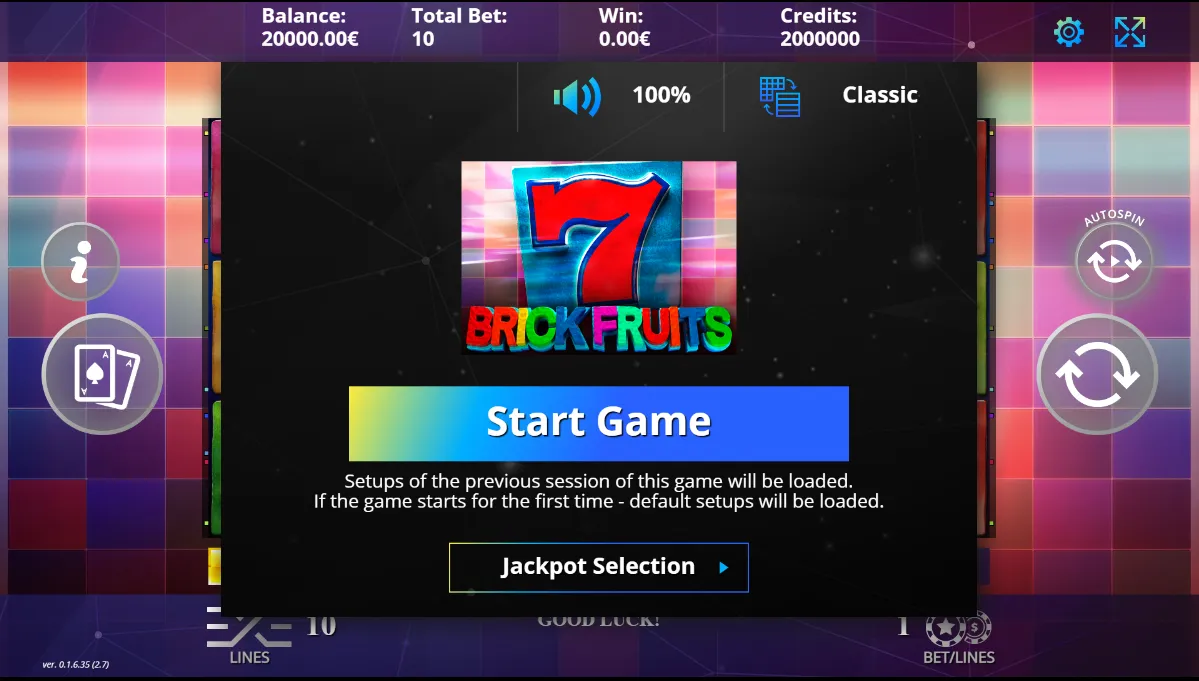
Identify the demonstration
Check that the game name inside the loaded screen matches the description that led you there. A familiar theme is not enough to establish identical rules. Open the help or paytable and look for the version details that are actually shown. If the information is missing, keep that uncertainty rather than filling the gap with assumptions from another game.
For a 2026 reading session, the loaded rule panel is more useful than an old recollection of similar symbols. Note how a result is formed, what triggers a feature and whether optional controls change the stake. A feature name alone does not explain its conditions. Do not infer that a bright icon is active merely because it appears beside the reels.
A short opening check
- Match the loaded title with the description.
- Find the help panel and the displayed balance unit.
- Read the total stake before using any round control.
Units before results
A counter may display virtual credits, a currency symbol or another unit. Read the label and the mode information together. A demonstration balance should not be treated as money available to withdraw. Likewise, access to a demonstration does not establish the terms, availability or rules of any separate service involving real stakes.
Use a hypothetical example to separate the arithmetic from the excitement. If a virtual balance begins at 1,000 units, a round costs 20 and the displayed return is 12, the ending balance is 992 when the return includes everything credited for that round. The return is positive, but the balance has still fallen by eight units.
| Label | What to establish |
|---|---|
| Total stake | The full amount deducted for one action |
| Return | What the display includes in the credited amount |
| Balance | The remaining units after the action settles |
A useful round record
A short note can help you understand the interface without turning the session into a prediction exercise. Record the starting balance, total stake and settled ending balance for a single action. Wait for animations to finish before comparing them. If the figures do not reconcile, return to the rules rather than repeatedly tapping to see whether the screen becomes clearer.
An iGaming demo may also offer sound, speed or automatic play controls. Inspect them before starting. If several actions can run from one instruction, establish how to stop them and choose a deliberate stopping point. A slower pace can make the labels easier to follow; it does not alter the meaning of an individual result or promise a better outcome.
- Read the total stake and note the opening units.
- Observe one completed action without changing settings.
- Compare the return wording with the ending balance.
- Stop and revisit the help panel if anything is unclear.
A short sequence cannot establish what the next round will do. Keep the exercise about the screen, not about recovering a loss or finding a favourable moment. The same room for choice appears in our evening planning article. For a comfortable place to read, the room article considers light and seating beyond the photograph.
Author’s opinion
I find an iGaming demo most useful when it answers a specific question about a rule or label. I would rather understand one settled round than collect a long string of unexplained results. Once curiosity becomes a wish to make the balance return to its starting point, I think the useful reading exercise has ended and it is time to stop.